The allure of chance and risk
Casino games are intricately tied to the psychology of chance, appealing to the universal human fascination with risk and the potential for reward. The unpredictable nature of these games creates an enticing thrill that draws players in. Engaging in games of chance often elicits a rush of adrenaline, offering an exhilarating experience that can quickly become addictive. This adrenaline rush stems from the anticipation of potential wins, where the prospect of gaining a substantial reward from a minimal investment captivates players who may also be interested in the nz online casino options available and keeps them returning for more.
The elements of uncertainty and surprise play pivotal roles in attracting players to casino games. The dream of hitting a jackpot or enjoying a winning streak can be so compelling that it outweighs the fear of losses. This risk-reward dynamic activates the brain’s pleasure centers, releasing dopamine and generating feelings of happiness and satisfaction. The more unpredictable the outcome, the more engaging the game becomes, as players seek that euphoric sensation of winning, often downplaying the likelihood of experiencing losses. This psychological engagement can create a powerful cycle, perpetuating the desire to play even in the face of repeated losses.
This intricate interplay of chance and risk not only enhances the gaming experience but also establishes a complex relationship between players and the games they choose. Players may rationalize their losses or, conversely, become overly confident after a win, leading to distorted perceptions of both risk and reward. Such psychological phenomena can foster a cycle of gambling behavior, where the thrill of victory propels individuals to continue playing, often disregarding the financial repercussions. Understanding these dynamics is crucial for both players and casino operators, as they influence the overall experience and the choices made within the gaming environment.
The role of cognitive biases
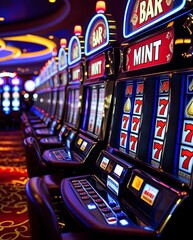
Cognitive biases play a significant role in shaping players’ decision-making processes within casino environments. One prevalent bias is the “gamblers’ fallacy,” where individuals mistakenly believe that past events can influence future outcomes in random scenarios. For instance, if a player notices a series of losses on a particular slot machine, they may erroneously conclude that a win is due soon, prompting them to invest more money in hopes of recovering losses. This faulty reasoning can lead to increased gambling activity and heightened risk-taking behavior, as players chase their perceived inevitable win.
Another common bias is the “illusion of control,” which leads players to feel that they can influence the outcomes of games based on skill or strategy, even when they are fundamentally random. In games like blackjack or poker, players might think their decisions can sway the results, despite the inherent unpredictability involved. This illusion fuels overconfidence and may lead to reckless betting behavior, making it challenging for players to recognize when it’s time to stop playing. Such cognitive distortions can significantly impact a player’s overall experience and financial well-being.
These cognitive biases contribute to a skewed perception of gambling, fostering a strong attachment to specific games or strategies. Players often create narratives around their experiences that reinforce beliefs in luck, skill, or timing. This narrative construction not only influences their future gambling decisions but also affects their emotional investment in the games. For both players and casino operators, understanding these cognitive biases is essential, as they inform gambling behavior and shape the broader dynamics of the gaming environment.
The impact of social interaction
Social interaction is a critical aspect of the psychology behind casino games. Many players thrive in the communal atmosphere of casinos, where they can share experiences with friends or engage with fellow gamblers. This social element can amplify the thrill of gambling, as players cheer each other on and exchange tips or strategies. The presence of others adds an exciting layer of engagement, making the gaming experience more enjoyable and memorable.
Moreover, the psychological concept of social reinforcement comes into play within the casino setting. When players observe others winning, it can instill a sense of hope and motivation, encouraging them to continue playing in pursuit of similar success. This effect is particularly prominent in games like poker, where the dynamics of social interaction and competition can heighten both the challenge and enjoyment of the game. Players often feed off each other’s energy, creating an environment that feels electric and engaging.
However, while social interactions can enhance the gaming experience, they also carry the potential for negative consequences. Players may feel pressured to continue gambling due to peer expectations, or they might engage in riskier behavior in social settings. Balancing the enjoyment derived from social interactions with responsible gambling practices is crucial for maintaining a healthy relationship with casino games. Awareness of the social dynamics at play can help players navigate their experiences more effectively, ensuring that the thrill of social gambling remains enjoyable rather than detrimental.
The influence of environment and design
The environment and design of a casino significantly shape the psychological experience of its players. Upon entering a casino, individuals encounter a vibrant array of bright lights, engaging sounds, and visually stunning displays, all meticulously crafted to create a stimulating atmosphere. These sensory elements are strategically employed to evoke excitement and encourage prolonged play, immersing players in an environment that feels both exhilarating and welcoming. This carefully curated ambiance is essential for drawing players in and keeping them engaged.
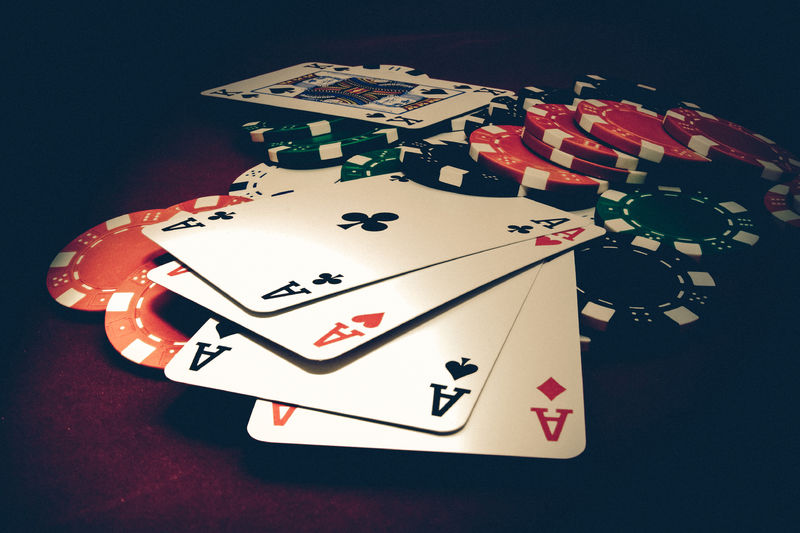
The layout of a casino is also designed with player engagement in mind. Games are often positioned close to one another, encouraging players to explore different options and move around the gaming floor. Open spaces and inviting décor foster a sense of comfort and excitement, making it easy for players to lose track of time and money. This intentional design can be psychologically manipulative, as players may feel an innate compulsion to stay longer and continue playing. Understanding the impact of the physical environment on player behavior is crucial for both casino operators and players themselves.
Furthermore, the implementation of reward systems within the casino environment, such as loyalty programs or complimentary beverages, serves to entice players further. These incentives foster a sense of belonging and appreciation, reinforcing the desire to gamble. The interplay between the psychological aspects of the gaming environment and player behavior ultimately contributes to the overall experience and profitability of the casino. By recognizing how environment and design influence gambling behavior, players can make more informed choices and maintain a balance between enjoyment and responsible gaming.
Exploring responsible gaming and awareness
As the understanding of the psychology behind casino games deepens, the significance of responsible gaming and awareness initiatives has garnered increased attention. Educational programs aim to inform players about the risks associated with gambling and promote healthier habits. By recognizing their psychological tendencies, players can empower themselves to make informed decisions and identify when they may be veering into harmful behavior. These initiatives are crucial for fostering a culture of responsibility within the gaming community.
Casinos play a vital role in cultivating a responsible gaming culture. Many establishments implement measures that promote self-control, such as allowing players to set limits on their spending or the time they spend playing. These proactive initiatives acknowledge the psychological dimensions of gambling, striving to balance the excitement of gaming with the necessity of maintaining a healthy relationship with it. This approach not only benefits players but also enhances the overall reputation of casinos as responsible entertainment providers.
Ultimately, promoting responsible gaming involves understanding the psychological factors influencing behavior. Through education and support, players can enjoy the thrill that casino games offer while also recognizing the boundaries that protect them from potential addiction and financial distress. Acknowledging the psychological underpinnings of the gaming experience is vital in ensuring that gambling remains a form of entertainment rather than a source of harm. With the right tools and knowledge, players can navigate their gambling experiences safely and responsibly.